Why Duchamp’s film “Anémic Cinéma” still feels so modern
Read time 1 minute 40 seconds
In 1926, visionary artist Marcel Duchamp redefined what film could be with Anémic Cinéma—a hypnotic fusion of motion, language, and illusion that continues to fascinate audiences nearly a century later. This seven-minute masterpiece isn’t just an experiment in form—it’s a witty optical pun that turns perception itself into performance. With spinning spirals and mischievous wordplay, Duchamp invites viewers to experience the fine line between seeing and believing.
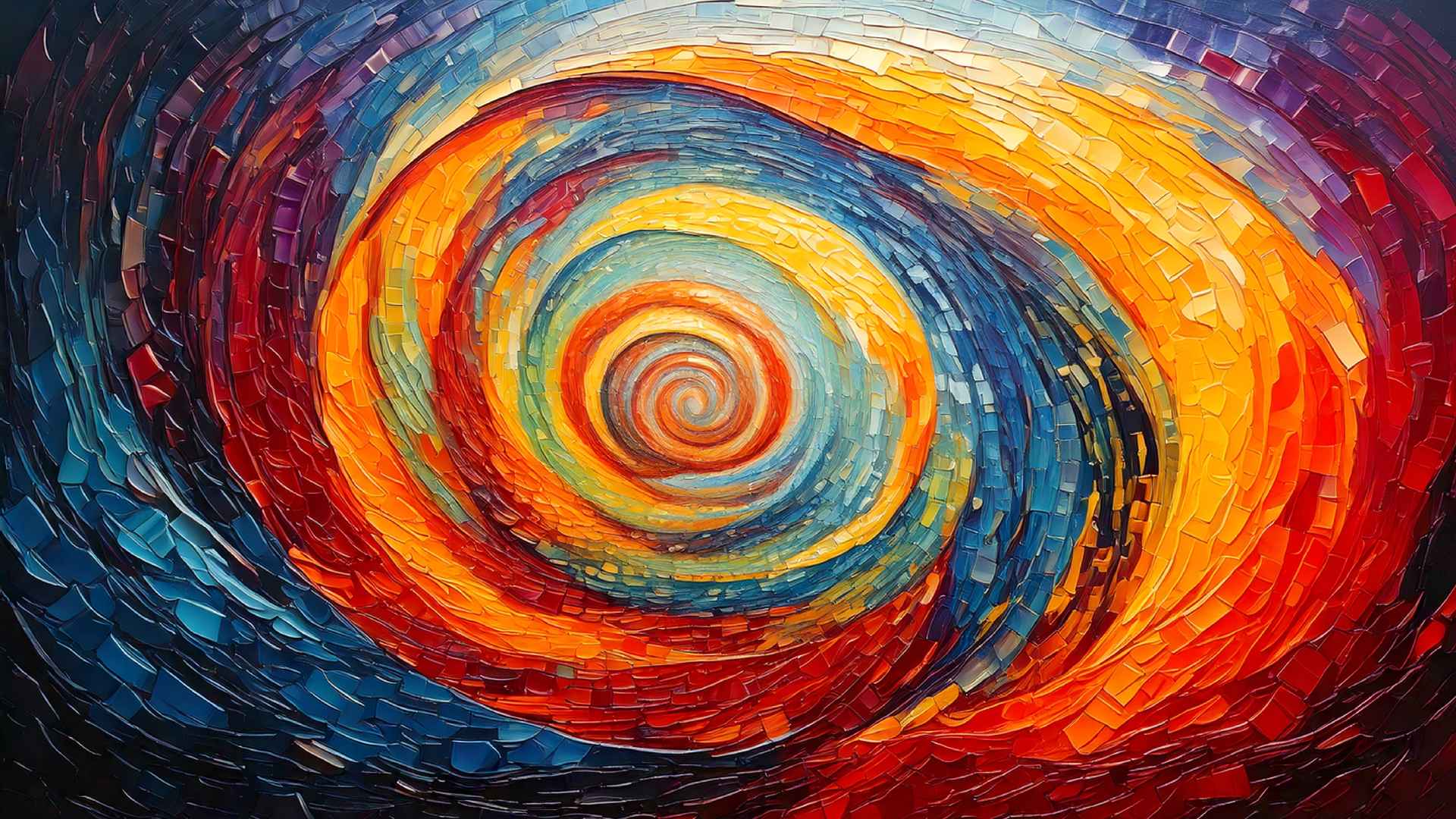
At the heart of Anémic Cinéma are the revolving black-and-white spirals that create a mesmerizing visual rhythm. As they spin, the forms seem to breathe—first concave, then convex, then both at once. The image transforms before our eyes, not through trickery, but through time itself. It’s motion that delivers the punchline, as Duchamp transforms geometry into an illusion of depth and motion into meaning. Each revolution becomes a dance between perception and imagination—a cinematic joke that keeps unfolding as long as the discs keep turning.
Between these hypnotic spirals, Duchamp inserts discs inscribed with cryptic French phrases—clever verbal puns brimming with wit, rhythm, and playful sensuality. As the words spin, their meanings shift and collide, just like the visuals. “Esquivons les ecchymoses des esquimaux aux mots exquis”—“Let’s dodge the bruises of the Eskimos in exquisite words”—isn’t meant to be decoded, but experienced. The movement of language mirrors the motion of the spirals, creating a seamless bridge between sight and sound, intellect and instinct.
This is where Anémic Cinéma becomes marketing gold for the modern era of visual storytelling. Duchamp anticipated the age of optical engagement—where art captures attention by fusing motion, mystery, and message. The film’s “optical pun” feels more relevant than ever: it’s kinetic design meets conceptual art, a prototype of the looping visuals that dominate today’s digital world.
Ultimately, Duchamp didn’t just make a film—he created an experience. Anémic Cinéma invites us to look deeper, to find play in perception and wit in the act of seeing. It reminds us that art doesn’t just show—it reveals, through motion, rhythm, and the delightful instability of meaning.
Nearly 100 years later, Duchamp’s spinning spirals still capture imaginations and social feeds alike—proof that when vision, language, and time align, art becomes not just something we see, but something we feel moving through us.